Assessment
Assessment is more than the presence or absence of a diagnosis. It’s a way of getting to know a person’s unique profile—their strengths, challenges, and the way they experience the world. Our goal is to help children, young people, and adults feel understood and supported, with recommendations that are practical and meaningful.
Our Process
Intake:
When you enquire about an assessment, you’ll be provided with an online link to our Service Agreement and Intake Form. We will also tell you what the current wait time is for bookings. The Service Agreement includes information about our service including fees and other things. The Intake Form helps us understand you / your child’s needs and determine the most appropriate assessment pathway. Once we receive your completed Intake, we’ll book the assessment appointments; if anything is unclear, we’ll check in with you before scheduling to chat things through. You’ll receive a booking confirmation email that will include your appointment details, deposit requirements, and any other important information.
Assessment:
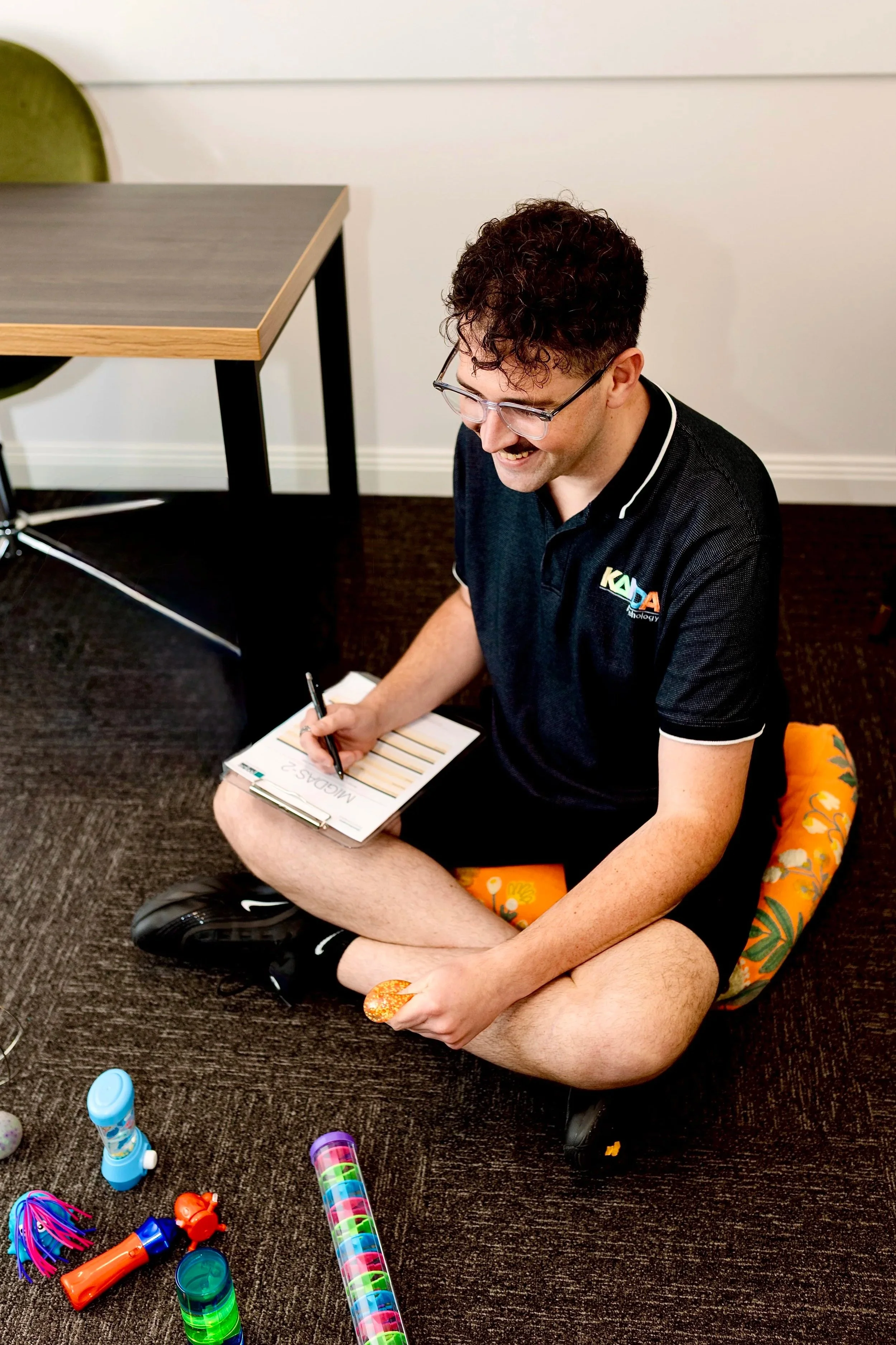
The assessment itself may involve meeting with you, you and your child together, questionnaires, and/or activities or puzzle-like tasks. Depending on the type of assessment, it might take one appointment, or a few. We’ve prepared a tip sheet to assist you in talking with your child or young person about their assessment. With your permission, we’ll also gather input from schools or other key people in your child’s life to ensure a well-rounded picture.
Feedback:
After everything is completed, your psychologist will carefully bring together the information, analyse the results, and prepare a detailed written report. You’ll be invited to a feedback session where we’ll go through the findings together, making sure everything is explained clearly and any questions you have are answered. You’ll also receive a copy of the report with personalised recommendations—strategies for use at home, school, and in daily life, as well as other useful resources.
Our Assessments
We offer a wide range of assessments to cater to the many things that can arise during childhood, adolescence, and young adulthood. In some cases, different assessment types can be combined to explore a broader range of questions or concerns. Additional assessment options may also be available depending on individual needs.
If you’re unsure which assessment is right for you or your child, or if you have questions, please reach out. A member of our clinical team can talk this through with you and help guide the next steps for your situation.
Cognitive Assessment:
Explores how someone thinks and learns, highlighting their learning potential and unique patterns of strengths and difficulties. Available for children as young as 3, right through to adulthood.
Educational Assessment:
Focuses on academic skills such as reading, writing, and maths. Results can show areas of strength, areas of challenge, where extra support might be helpful, and whether a learning difficulty may be present such as a Specific Learning Disorder in Reading (Dyslexia), for example.
Developmental Assessment:
Explores a broad range of developmental areas including thinking skills, communication, social interaction, emotional development, physical milestones, and everyday life skills like self-care.
Behaviour, Social, and Emotional Assessment (including ADHD):
Examines patterns of behaviour, attention, and emotional wellbeing. This may include areas such as hyperactivity, impulsivity, sustaining focus, managing friendships, or experiences of worry and low mood.
Autism Assessment:
Considers how a person’s profile aligns with the characteristics of autism, including communication, social interaction, interests, patterns of behaviour, and sensory processing. Our approach is respectful, neuro-affirming, and tailored to each individual.
Therapy
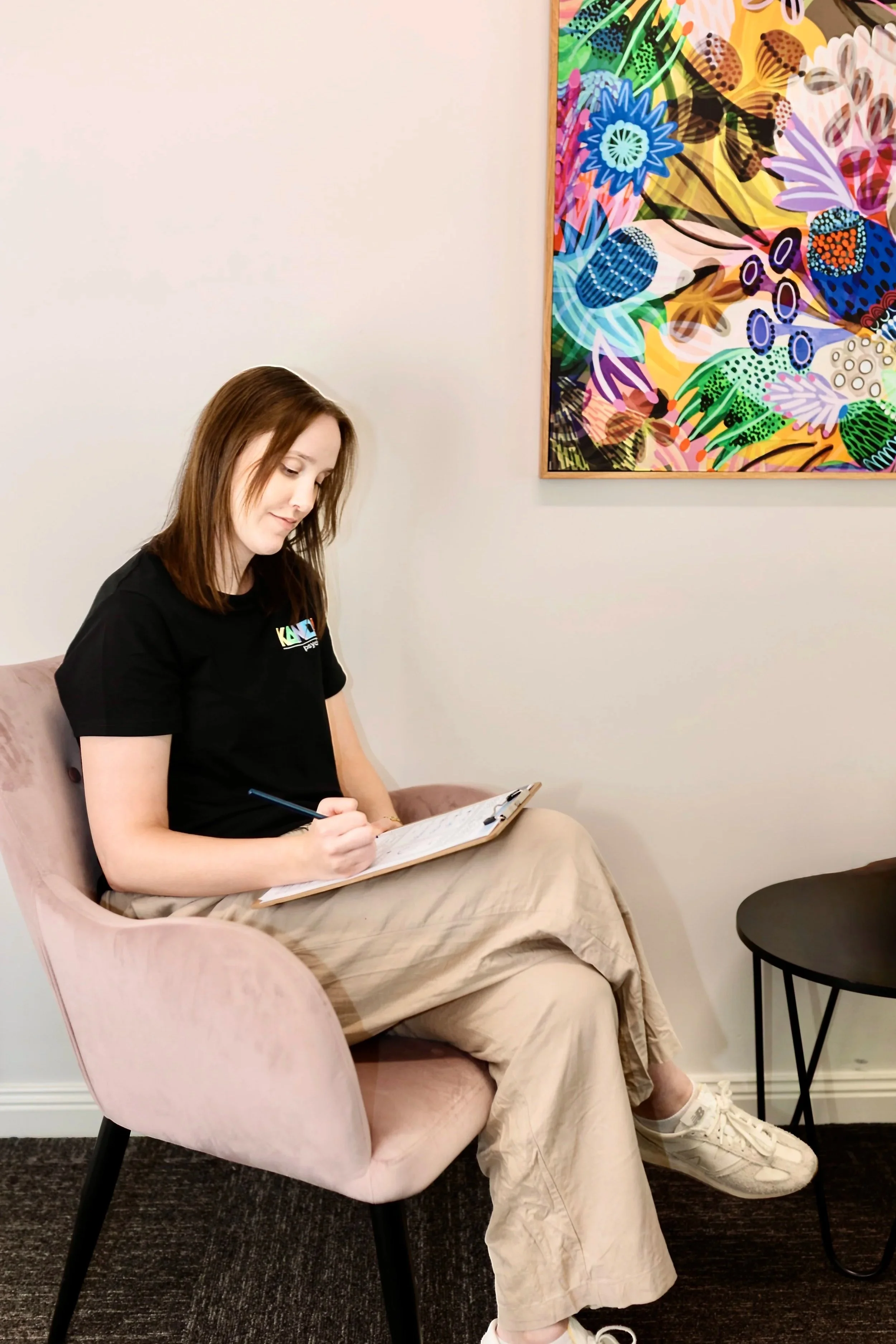
We provide evidence-based therapy for children, adolescents, and young adults. Therapy usually involves a series of scheduled appointments, typically held fortnightly or monthly, depending on your child’s and family’s needs. Our approach is tailored to each individual’s strengths, challenges, developmental stage, and goals—recognising that every journey is unique. Some concerns can be supported in a small number of sessions, while others benefit from ongoing therapeutic support over time.
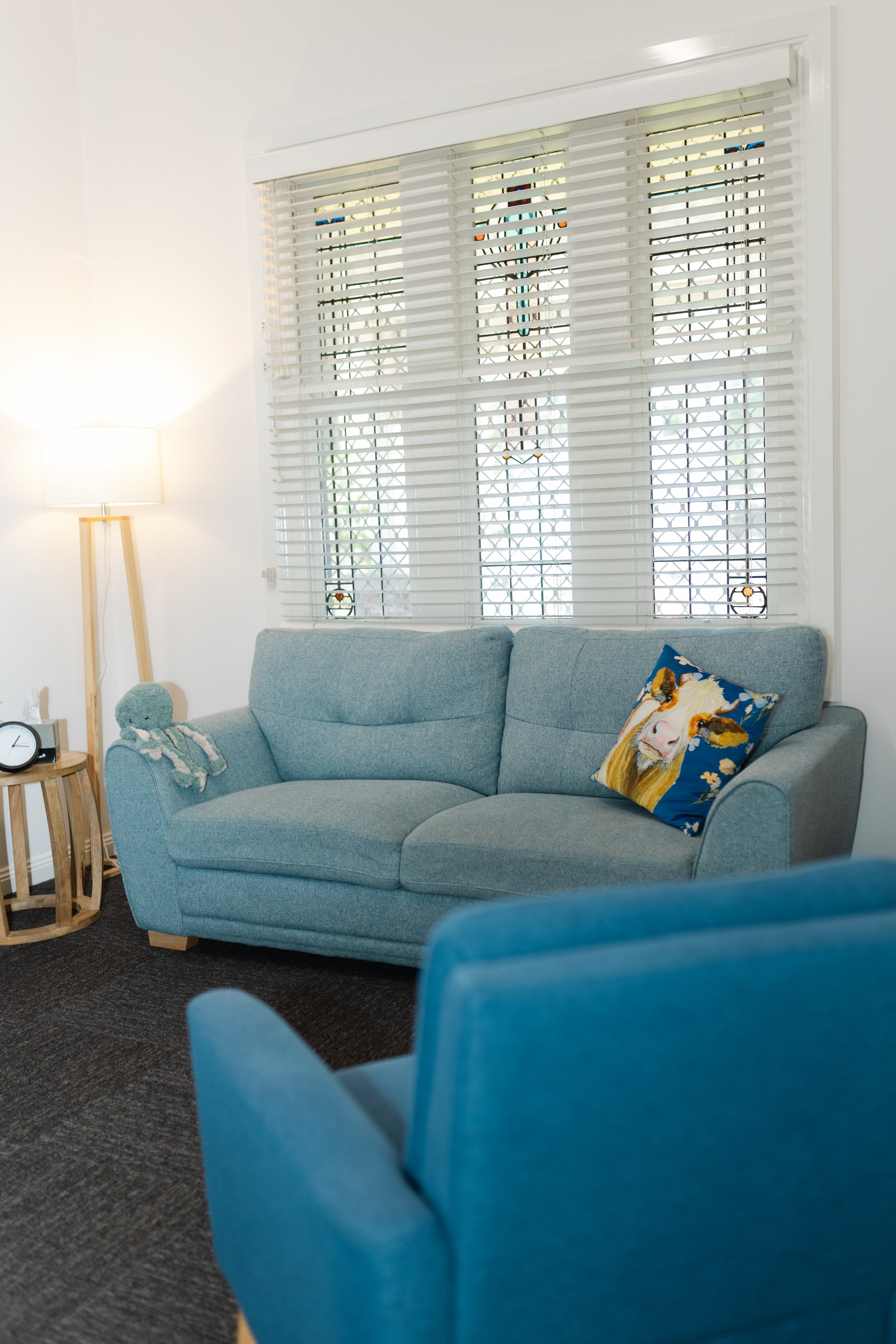
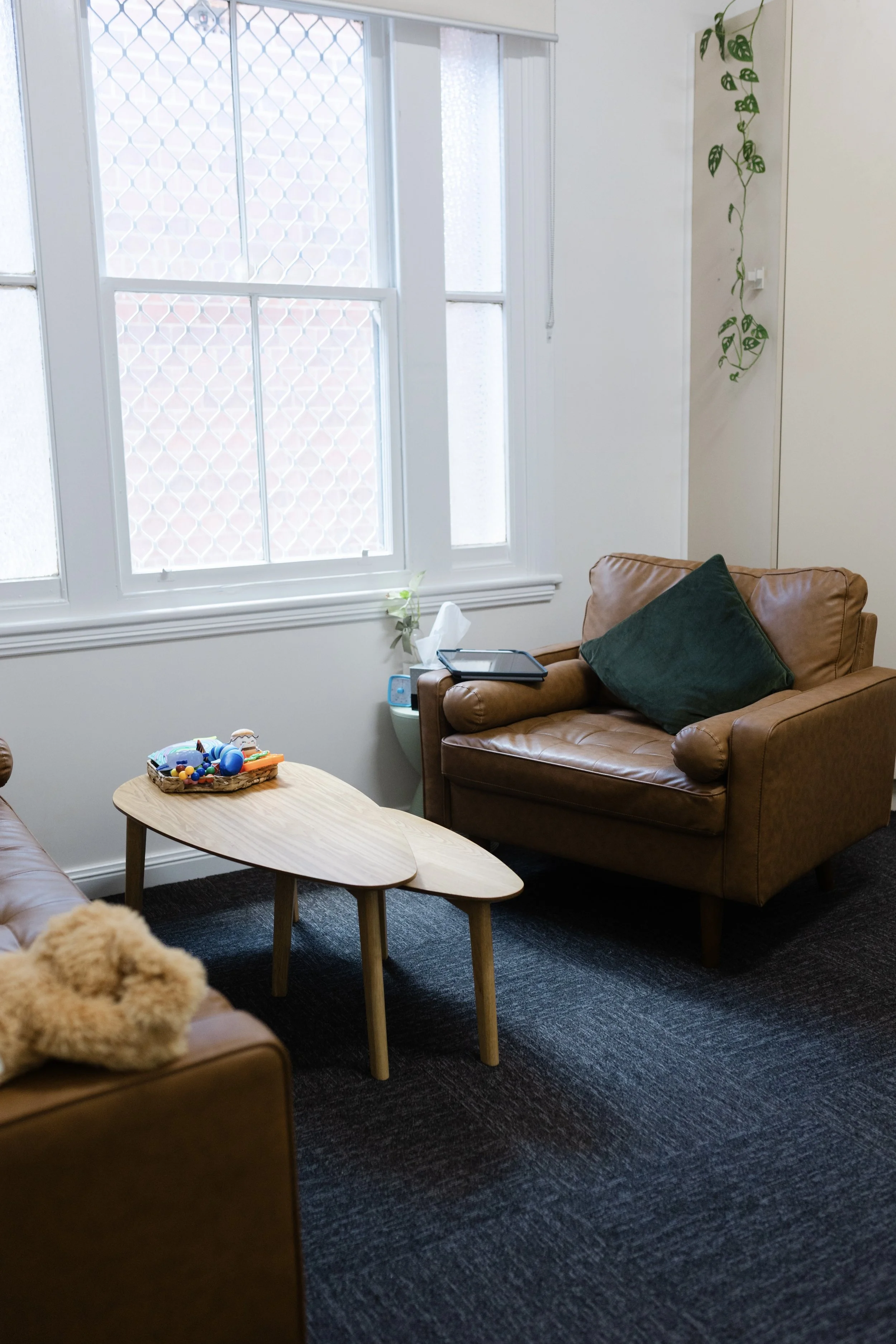
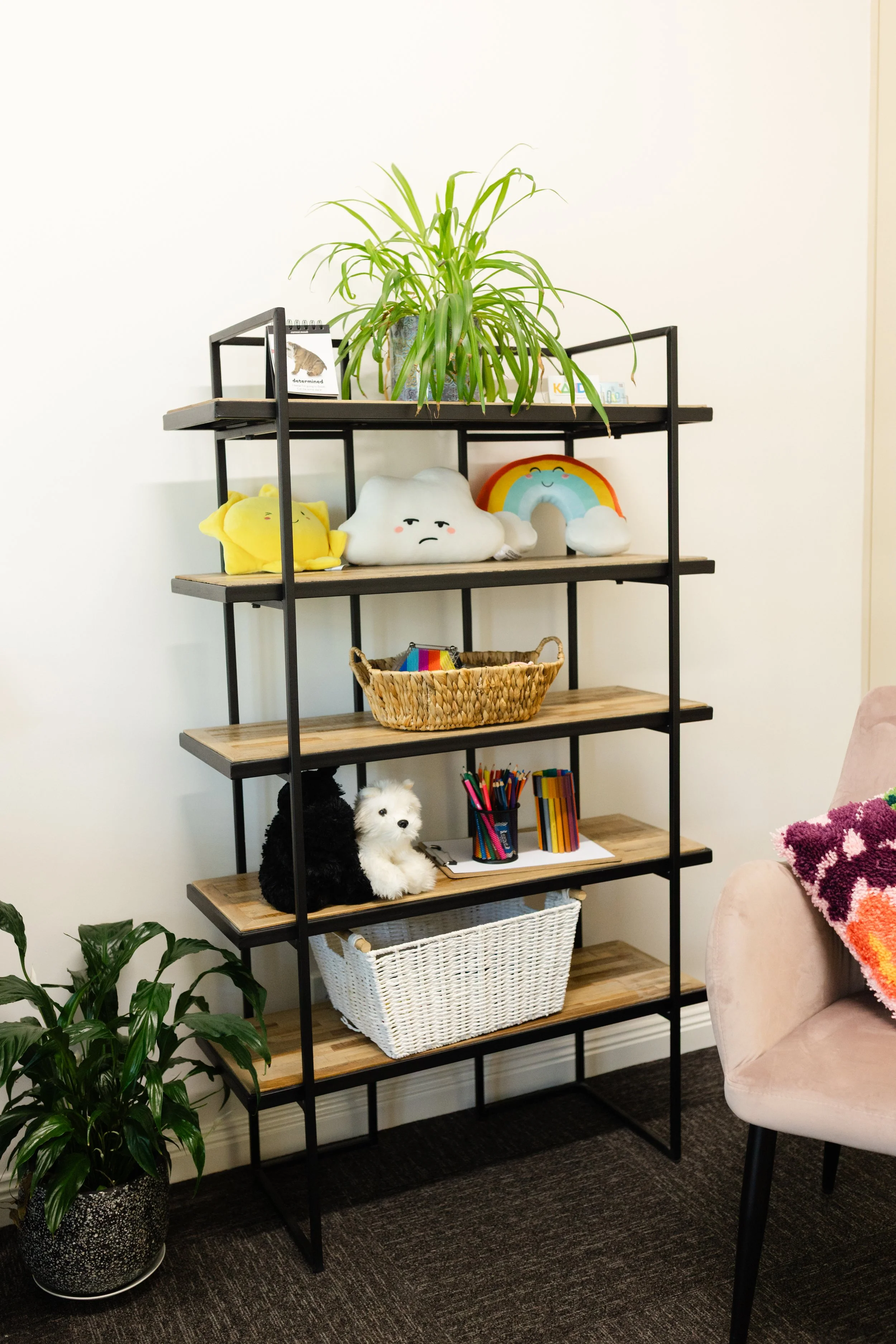
Sessions may involve your child individually, you and your child together, or parent-only appointments. For younger children (under five), therapy is often facilitated through parent or parent–child sessions. We recognise children and adolescents are not simply “little adults.” Therapy is adapted to their developmental level and may incorporate creative and play-based approaches, including sensory tools, movement, and hands-on activities, to support engagement, expression, and regulation. Flexible seating options, adjustable lighting, visuals and other accomodations create a safe and soothing space for all.
Our work is child- and family-focused and guided by your goals and values. When helpful, and with consent, we collaborate with schools, medical professionals, and other supports to ensure care is consistent, connected, and supportive across settings.
We Help With
Mood and emotional wellbeing such as depression, mood instability, low self-esteem, grief and loss, emotional dysregulation, and behavioural outbursts
Anxiety such worry, perfectionism, separation anxiety, specific phobias, social anxiety, obsessive compulsive disorder, performance anxiety and school attendance related challenges
Attention and behaviour including understanding ADHD, developing self-awareness, building coping strategies, problem solving, enhancing communication skills, and anger management
Autism including understanding autistic and other brain styles, harnessing strengths, navigating areas of difficulty, identity development and self-advocacy
Relationships and parenting including conflict resolution, bullying, difficulties with friends, parent/child relationship challenges, and parenting support
Unfortunately We Cannot Currently Help With
Eating disorder treatment
Addiction or substance use counselling
Marriage and couple's therapy