
FAQs
Questions?
It’s completely normal to have lots of questions— or you may have none at all and that’s okay too! You might find what you’re looking for in our FAQ’s below. If not, please don’t hesitate to reach out and ask if there is anything you are unsure of. If you’re wondering about something, chances are others are too, and your question may help us keep this space helpful and up to date.
Our friendly Client Experience Team is here as your wrap-around support. They can assist you with enquiries, appointment bookings and changes, payments, paperwork— and all things in between! If they don’t have an answer straight away, they’ll find out and get back to you.
The team is available Monday to Friday, 8:30am–4:30pm. If you miss us, please leave a message or send an email, and we’ll be in touch as soon as we can.
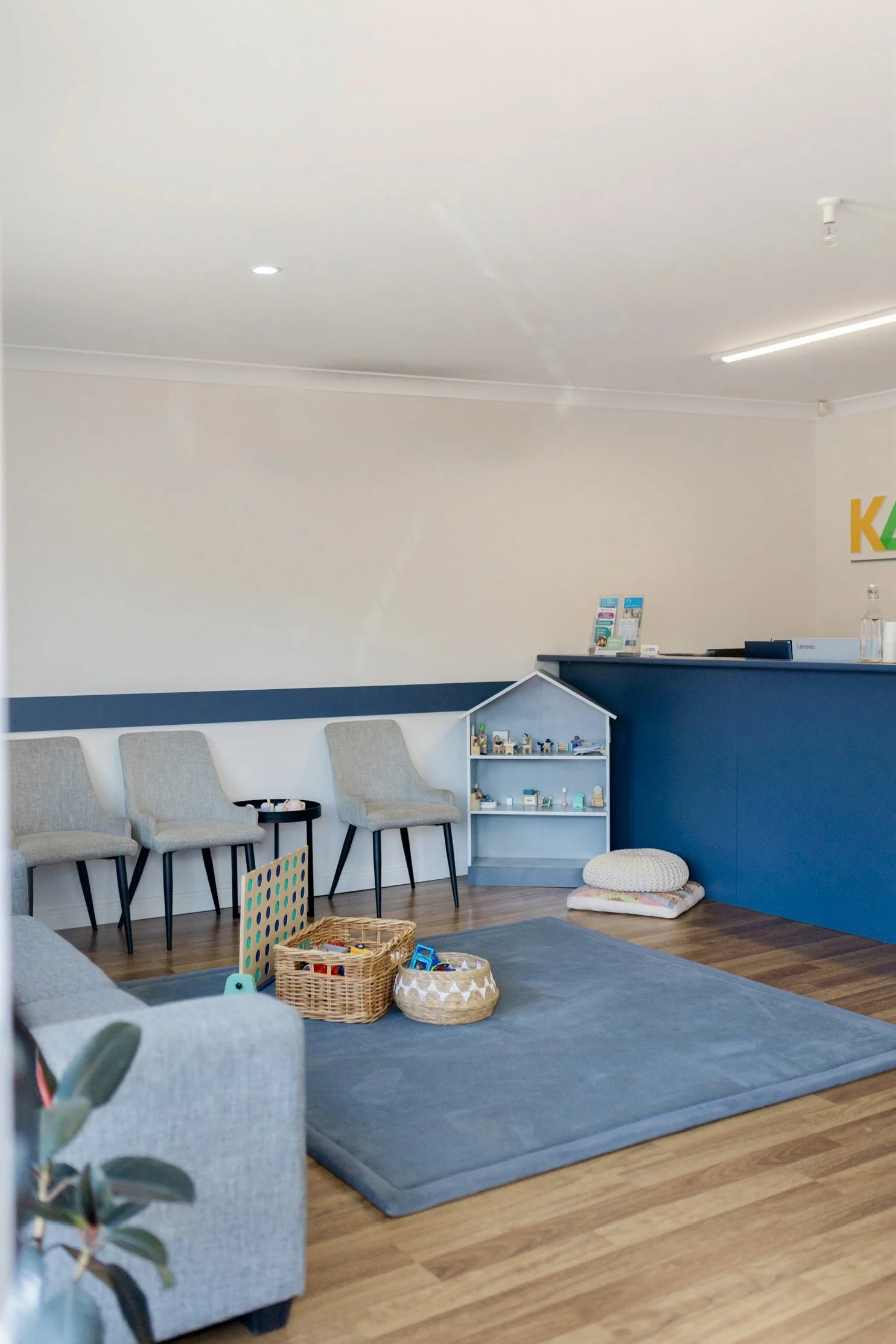
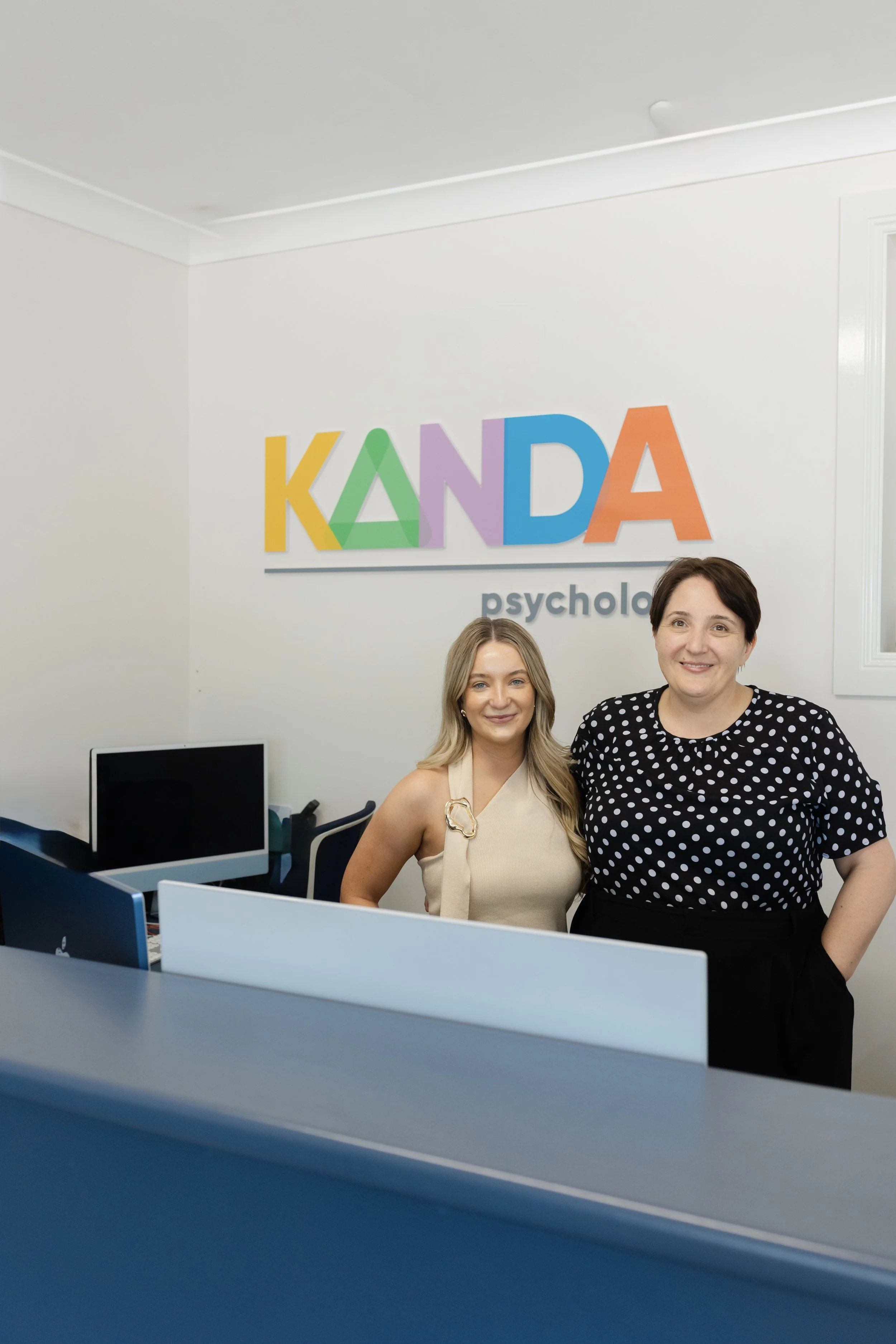
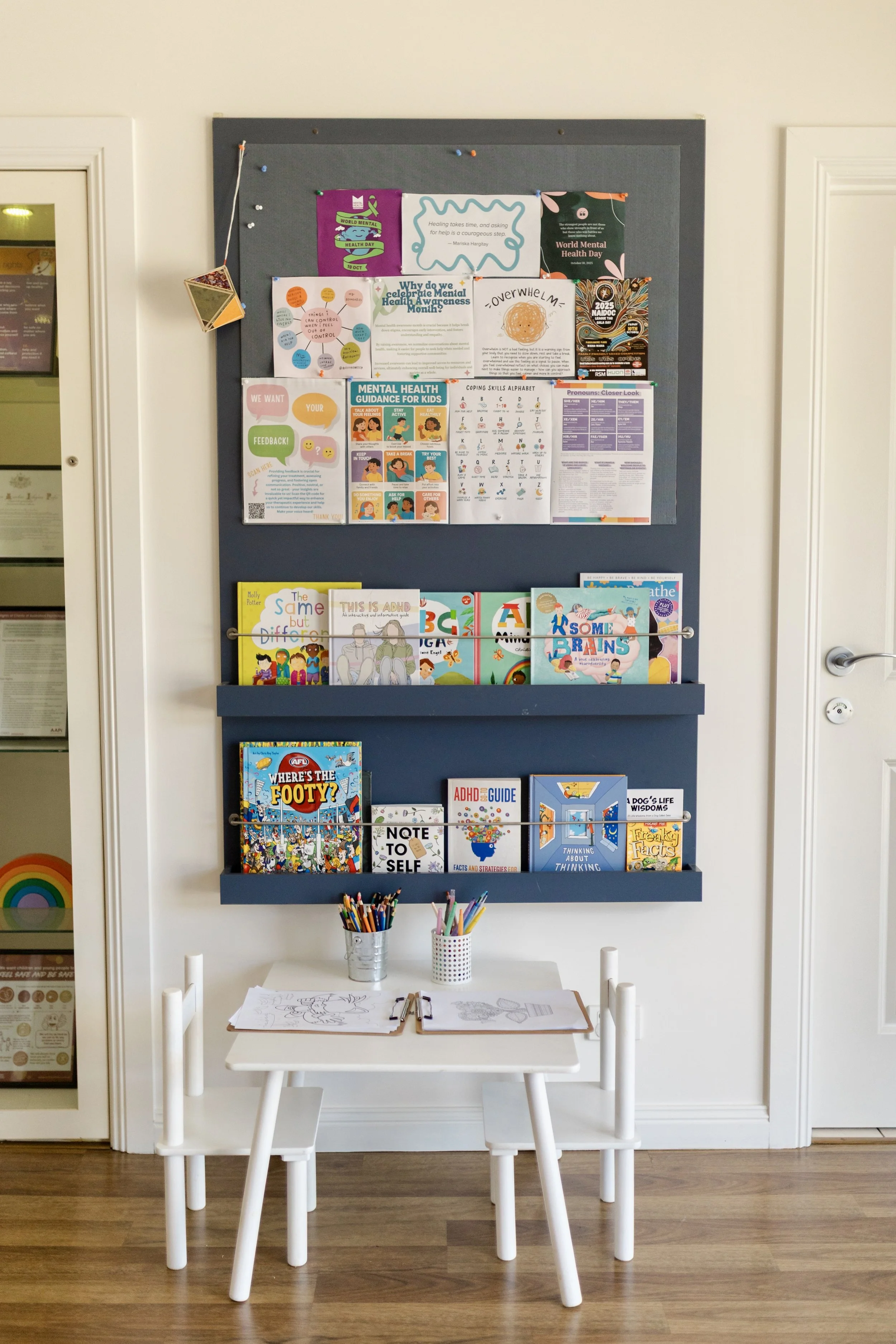
How do I get to Kanda?
It’s tricky! Our street address is 43 Best Street Wagga Wagga but our entry is at the rear, off Biroomba Lane. We’ve created a visual to help!
Does my child need to see a psychologist?
You know your child better than anyone. If you notice changes that feel out of character — shifts in sleep or appetite, more frequent emotional outbursts, withdrawing from friends, avoiding school, or losing interest in activities they once enjoyed — it may be a sign they’re finding things harder than usual.
Sometimes the signs are subtle. A child who seems more irritable, more perfectionistic, more clingy, or unusually quiet may be communicating that something doesn’t feel right. You don’t need to wait until things feel “serious enough” to reach out. Early support can make a meaningful difference. Your relationship with your child is central to their wellbeing. When you gently share what you’ve noticed and invite a conversation, you show them that their inner world matters. Try to approach these moments with curiosity rather than urgency — ask open questions, listen carefully, and focus on understanding rather than fixing. Children and teens are far more likely to open up when they feel heard and not dismissed or rushed toward reassurance.
It may also be helpful to gather perspectives from others who know your child well. A trusted teacher, coach, or involved family member may notice patterns in different settings and can provide useful observations. This broader picture can help you decide on next steps.
Your GP is an important and valued part of your child’s overall health care — including their mental health. They can help rule out medical factors, provide advice, and discuss referral options if needed. Also, your GP is the first step in accessing Medicare-rebated mental health support.
If you’re unsure how to start conversations about mental health, Kids Helpline offers excellent information for parents and carers on a wide range of mental health topics and Headspace offer practical guidance on how to talk with your child or teenager about what they might be experiencing.
If you’re wondering whether support might help, that’s often reason enough to explore it. You don’t have to wait for things to get worse before reaching out.
How do I talk to my child about attending a psychologist appointment?
Different children will require different amounts of information but we always recommend talking to your child or young person before their appointment. The psychologist will talk with them too, explaining what they do, what the appointment will involve and other important things like confidentiality. So that you understand what the psychologist will talk about, and to assist in your conversation with your child, some wonderful resources have been prepared by the Australian Association of Psychologists Incorporated (AAPi).
Do I need a referral to see a psychologist?
No. You can see a psychologist without a referral. However, depending on what you are seeing the psychologist for, a referral may entitle you to Medicare rebates.
What ages do you see?
This depends on what service you are after.
Therapy is generally provided to clients aged 6 - 30 years. However, this is a guide only. We assist parents of any age, particularly around issues such as understanding their child’s mental health or neurodiversity, parenting support, or the impact of their own mental ill health on their parenting role. We may also work with children aged under 6 years, however this is most often via parent sessions rather than with the child directly and/or solely, and appointments for this age group are limited.
Assessments are offered from 2 year and 9 months - depending on the assessment required.
Do you have current capacity?
We are currently accepting assessment referrals.
For therapy, our capacity changes; we need to balance new enquiries while ensuring ongoing appointment availability for those currently in treatment, to ensure continued engagement in commenced treatment and psychology support. We don’t keep a waiting list because it can feel endless and stressful sitting on a list without clear timeframes. If we can’t see you just yet, we can share a resource guide we have developed with you, to help you continue finding support for your child or teen. A quick phone call is always the best way to get the most up-to-date information regarding our capacity and we will always do what we can to assist.
Can a psychologist “diagnose”?
We understand that a diagnostic assessment is a significant financial, emotional, and time-intensive investment. The Australian Association of Psychologists Incorporated (AAPi) clarify the diagnostic capacity of all psychologists in their resource Diagnostic Capacity of Registered Psychologists in Australia. For autism diagnostic assessments, we facilitate Lead Practitioner Diagnostic Evaluations, outlined by the Autism CRC.